
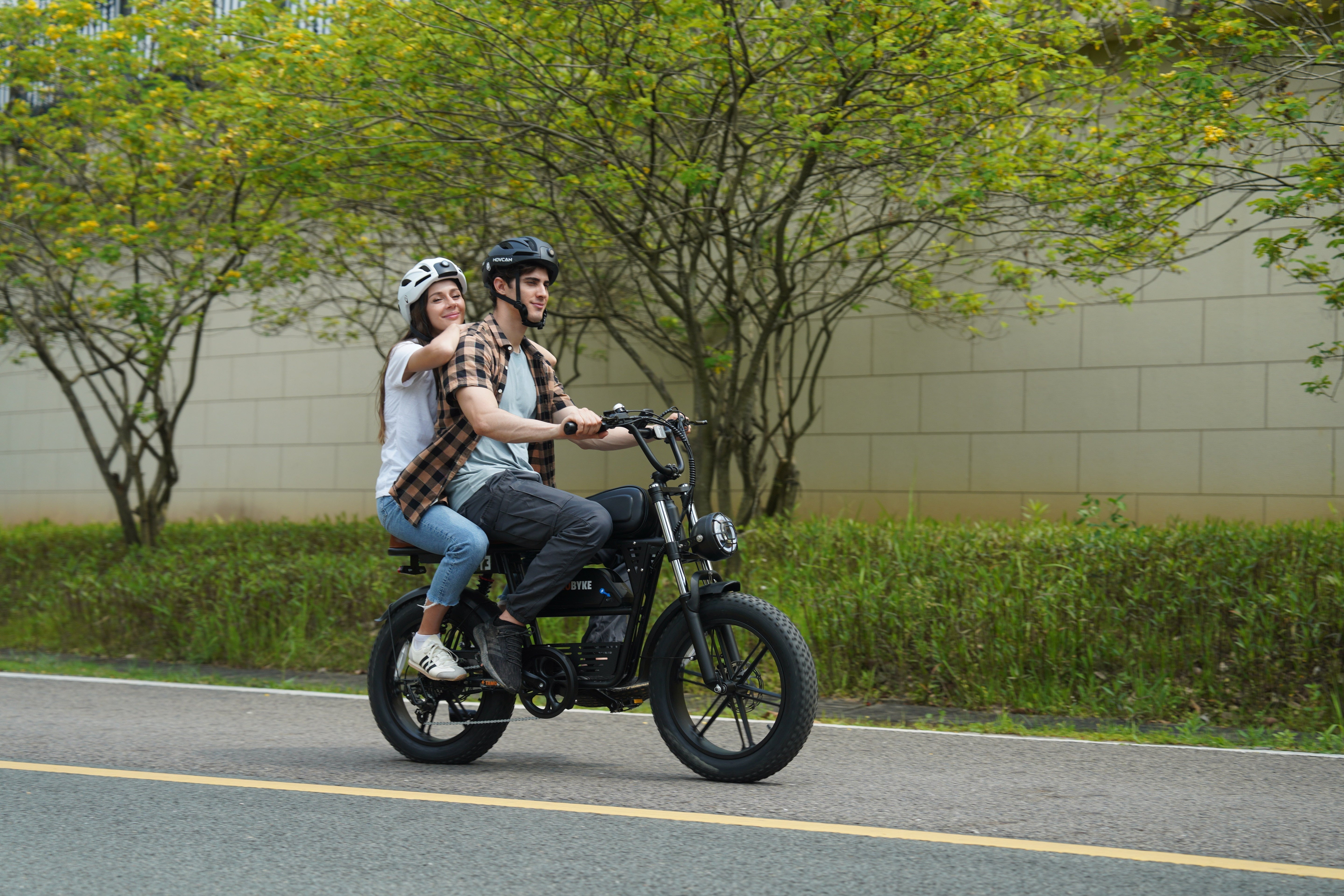
We’ve all been there. It’s 8:45 AM, the summer sun is already beating down, and you’re trapped in a miserable sea of brake lights, watching the clock tick closer to your morning meeting.
Or maybe you tried riding a traditional bicycle to work because it seemed like the healthier, eco-friendly choice—only to arrive sweaty, exhausted, and immediately searching for a bathroom mirror and a clean shirt.
For years, my weekday commute was a choice between two bad options:
-
Sit in gridlock traffic while burning money on skyrocketing gas prices and parking fees.
-
Ride a traditional road bike and arrive at the office looking like I had just completed a stage of the Tour de France.
Thirty days ago, I decided to try something entirely different. I parked the car, skipped the crowded public transit, and switched entirely to an e-bike for commuting.
For the next month, my daily transportation became a high-performance fat tire electric bike (the rugged Tamobyke T73 Max), riding roughly 7 miles each way through city streets, steep overpasses, dedicated bike lanes, and plenty of rough, pothole-ridden pavement.
After 30 days, 257 miles, and 22 commuting sessions, here is the honest, data-backed truth of what actually happened.
My Commute Setup: The Raw Data

To keep this test objective, I tracked every single ride, battery charge, and dollar spent. Here is how the numbers shook out at the end of the month:
|
Metric |
Real-World Value |
|
Daily Distance |
14 miles round trip |
|
Total Distance Covered |
257 miles |
|
Average Speed |
19.4 MPH |
|
Commute Time |
22 minutes (Flat) |
|
Elevation Gain |
380 ft / day (Includes 2 bridges) |
|
Battery Charges |
8 full charges |
|
Electricity Used |
11.5 kWh |
|
Total Electricity Cost |
$2.18 |
|
Days Ridden |
22 working days |
Tech Note: A typical 48V commuter e-bike battery stores around 750Wh to 1000Wh of energy. This means a whole month of daily commuting uses surprisingly less electricity than running a standard home air conditioner for a single afternoon.
Week 1: The "Commute Without Sweating" Experiment
On Day 1, the biggest surprise wasn’t the speed or the acceleration. It was my shirt.
My daily route includes two steep highway overpasses and a nasty, predictable headwind near the river. On a traditional bicycle, this exact stretch turns a casual ride into an unwanted, high-intensity cardio session.
On my first morning with the Tamobyke, I selected Pedal Assist (PAS) Level 3 and started pedaling. When I reached the base of the first steep climb, I lightly touched the thumb throttle.
Instead of grinding uphill at a walking pace with my legs burning, the bike glided up the incline smoothly at nearly 20 mph.
-
No standing on the pedals.
-
No burning lungs.
-
Absolutely no sweat.
When I rolled into the office parking lot, my collar was completely dry. My heart rate was elevated just enough to wake me up and replace my morning coffee, but not enough to require a frantic dash to the shower.
This was the exact moment I realized why a commuter electric bike is the ultimate life-hack for urban professionals. You get all the fresh air, mental clarity, and joy of outdoor movement, while completely skipping the physical suffering.
Week 2: How Fat Tires Conquered the Concrete Jungle
By the second week, the honeymoon phase of simply "not sweating" had settled, and urban reality arrived. City streets are a war zone of infrastructure issues:
-
Deep potholes and cracked pavement
-
Active construction zones and metal plates
-
Dangerous tram/train tracks
-
Loose gravel and slick, wet painted crosswalks
This is where riding a fat tire electric bike completely revolutionized my daily grind.
[Skinny Tire] --> Drops into potholes, harsh vibration, high slip risk.
[4.0" Fat Tire] --> Glides over cracks, absorbs impact, maximum traction.
The massive 4-inch wide tires acted like a built-in suspension system for the city. Instead of constantly swerving to dodge every minor crack or pebble in the asphalt, I simply rolled right over them. The wider contact patch gave me massive confidence when cornering on wet mornings.
Combined with a comfortable, upright cruiser riding position, my chronic lower back and wrist pain completely disappeared. You aren't hunched over the handlebars like an aggressive racer; you are cruising comfortably like a boss, with a clear view of traffic ahead.
Week 3: E-Bike vs Car — The Numbers Shocked Me
Halfway through the experiment, I sat down with my bank statements to calculate the real financial impact of replacing my car with an e-bike for commuting.
The Financial Breakdown
Monthly Car Commuting Costs
-
Gasoline: $180
-
Downtown Parking: $120
-
Wear & Tear/Maintenance Reserve: $50
-
Total: $350 / month
Monthly E-Bike Commuting Costs
-
Electricity: $2.18
-
Component Maintenance Reserve: $10.00
-
Total: $12.18 / month
Total Monthly Savings: $337.82
The electricity numbers looked so low I actually re-calculated them three times. My bike consumed approximately 11.5 kWh during the entire month. At my local electricity rate of roughly $0.19 per kWh, my total charging cost for 257 miles was a mere $2.18.
That means my commuting energy cost was just 0.85 cents per mile (or about 9 cents per commute!). Meanwhile, my SUV was burning nearly $9 every single working day. In the showdown of e-bike vs car, the financial victory wasn't just close—it was a total slaughter.
The Hidden Benefit: Absolute Predictability
Beyond the cash savings, the biggest revelation was time consistency.
-
My old car commute was a gamble: Best case was 32 minutes, but a minor accident could stretch it to 51 minutes.
-
My e-bike commute? 22 minutes. Every. Single. Day.
No traffic jams, no searching for parking, no construction detours. For a busy professional, knowing exactly when you will arrive at your desk is worth more than the money saved.
Week 4: The Mental Health Effect Nobody Talks About
This was the most unexpected side effect of the entire 30 days.
Driving to work used to feel like entering a combat zone. Fighting for lane space, dealing with road rage, and sitting motionless in gridlock left me stressed and irritable before my workday even started.
The e-bike inverted that entire experience. My morning commute easily became the best part of my day.
-
I listened to my favorite podcasts and audiobooks clearly.
-
I actually watched the city wake up and noticed local parks, cafes, and architecture I had mindlessly driven past for years.
-
Instead of dreading the evening rush hour, I genuinely looked forward to throwing my leg over the bike to blow off steam after a long day of meetings.
By week four, commuting had officially stopped feeling like a chore and started feeling like high-quality "me time."
🛒 Upgrade Your Daily Grind: Looking for the ultimate commuter weapon? The Tamobyke T73 Max features a powerful motor, dual-battery capabilities, and ultra-plush 4.0 fat tires designed to delete potholes and traffic from your life.
👉 [Explore the Tamobyke T73 Max Now]
The Honest Truth: The Downsides Nobody Mentions
No realistic review is complete without talking about the trade-offs. If you are going to commit to an e-bike lifestyle, you need to know the challenges:
-
Fat Tire E-Bikes Are Heavy: Most robust, fat tire commuter models weigh between 70 and 90 pounds due to the heavy-duty frame and large motor/battery. If you live on a third-floor apartment with no elevator, carrying this upstairs will be a brutal daily workout.
-
Parking Security Is Mandatory: An eye-catching e-bike attracts attention. You cannot rely on a cheap $10 cable lock. I had to invest in a high-quality heavy-duty U-lock and heavy chain lock to ensure peace of mind when leaving it in public racks.
-
Weather Requires Gear: While cold mornings are easily solved with a jacket, rain changes everything. To commute year-round, you will need to invest in high-quality fenders, a waterproof shell, and water-resistant shoe covers.
Head-to-Head: Car vs. Traditional Bike vs. E-Bike
|
Category |
🚗 Gasoline Car |
🚲 Traditional Bike |
⚡ Commuter E-Bike |
|
Monthly Cost |
$350+ |
~$20 (Snacks & tubes) |
$12.18 |
|
Commute Time (7 mi) |
35-45 mins (Variable) |
40 mins |
22 mins (Fixed) |
|
Sweat Level |
None |
High |
Extremely Low |
|
Parking Stress |
High |
None |
None |
|
Exercise Level |
None |
High |
Moderate/Active |
|
Fun Factor |
Low |
Medium |
Extremely High |
Is a Commuter Electric Bike Right for You?
Switching to an e-bike makes the absolute most sense if:
-
Your one-way commute is under 15 miles.
-
You regularly waste time sitting in city traffic congestion.
-
Workplace or city center parking is expensive or hard to find.
-
You want to get active and burn calories without arriving at work drenched in sweat.
If you have a longer commute or simply hate the hassle of charging your battery every night, a dual-battery commuter model like the Tamobyke T73 Max is a game-changer, allowing you to ride a full week of commutes on a single charge.
FAQ
Is an e-bike practical for a 10-mile commute?
Absolutely. In fact, 10 miles is the sweet spot. Most premium commuter e-bikes comfortably offer a real-world range of 30 to 60 miles per charge, meaning a 10-mile commute is effortless and will usually take around 30 minutes.
Can you really ride an e-bike to work without sweating?
Yes, 100%. By utilizing higher levels of pedal assist (PAS) or using the throttle exclusively on hills, your bike does all the heavy lifting. You can ride to work on a hot summer day and stay perfectly dry, then lower the assist on the way home if you want a true workout.
Is an e-bike actually cheaper than a car?
By a landslide. When you factor in insurance, registration, depreciation, fuel, and parking, a car costs thousands of dollars a year to operate. An e-bike costs pennies in electricity and requires minimal mechanical maintenance.
Why choose a fat tire e-bike over a thin tire road bike for commuting?
Comfort and safety. City streets are plagued with potholes, debris, and tracks. Fat tires give you superior shock absorption, better grip, and significantly reduce your chances of wiping out on slick or uneven surfaces.
Related Guides
If you're considering replacing your car commute, these guides may help:
Final Verdict: Is It Worth Making the Switch?
After 30 days and 257 miles, my conclusion is definitive: Switching to an e-bike for commuting was one of the best lifestyle and financial decisions I have ever made.
I saved hundreds of dollars, gained total control over my morning schedule, got consistent low-impact exercise, and dramatically lowered my daily stress levels. Most importantly, I stopped wasting my life sitting inside a metal box staring blankly at the brake lights in front of me.
If your commute is under 15 miles and you're ready to take back your mornings, do yourself a favor: look into a quality fat tire electric bike. Your wallet, your schedule, and your mental health will thank you.


Share:
Do You Need a License to Ride an E-Bike in the USA in 2026? Laws Explained
Can You Overcharge an E-Bike Battery? The Truth About Charging Safely (2026)